As you may have noticed (!), I just self-published my new book “Musicking in a relational key” on the platform PubPub: https://musrelkey.pubpub.org/. Have you had a look? What do you think about the platform, presentation, ease of use, etc.? I’d welcome any feedback, including suggestions for improvement.
There are various reasons why I’ve gone down this route. But first, I have to acknowledge that I’m lucky that I can. I’m out of the university game so I can publish in any way I want.
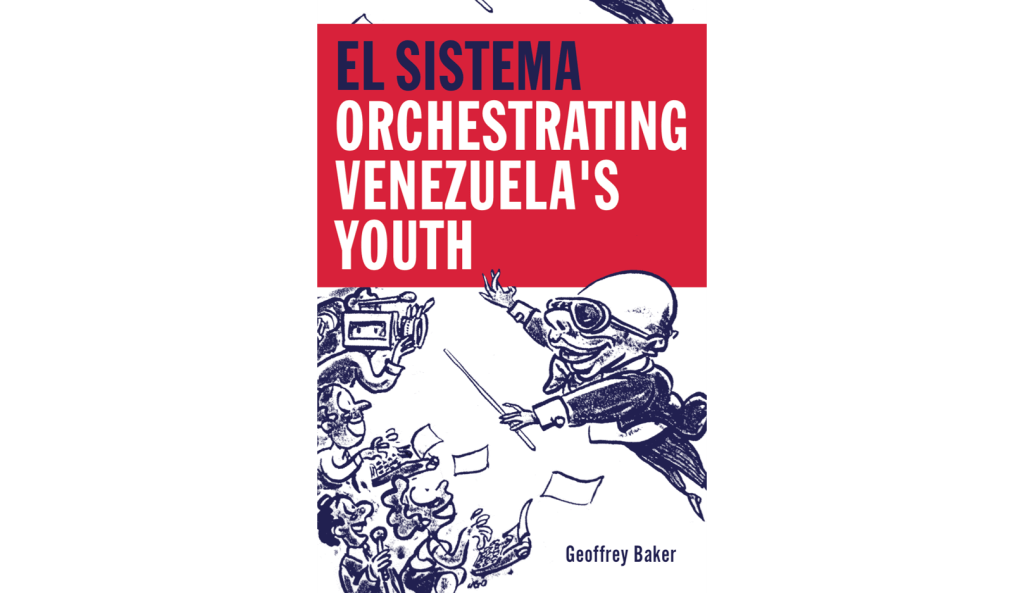
I wanted to have full control over the process. My experience with Oxford University Press, which published my book on El Sistema, was positive. It was slow, but that wasn’t really anyone’s fault; it was a complex project. OUP produced a beautiful, conventional academic book. But I don’t have the translation rights, I don’t fully own the text, and I don’t have a digital version. So lots of people in Latin America have heard of the book but have never read it, because I’m not allowed to translate it and I can’t even email them a PDF in English (because I don’t have one). In short, the dissemination of the book in Latin America was severely hampered by barriers of language and cost.
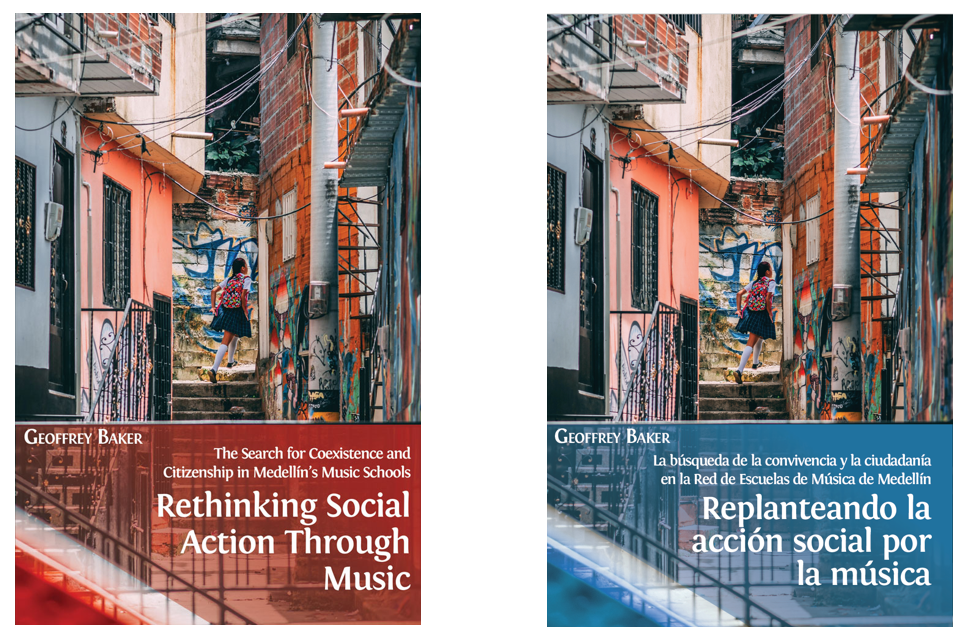
For this reason, I went down the open access route with the next book, on the Red de Escuelas de Música (Network of Music Schools) of Medellín, Colombia. This time I was able not only to make the book available for free but also to publish a Spanish translation (also free) the following year. This was a game-changer in terms of accessibility. This was also a good experience, and I would recommend Open Book Publishers to anyone interested in open access publishing. But there were cost implications for me, and some parts of the process were still rather like conventional publishing (and so a little slow and rigid for my tastes).
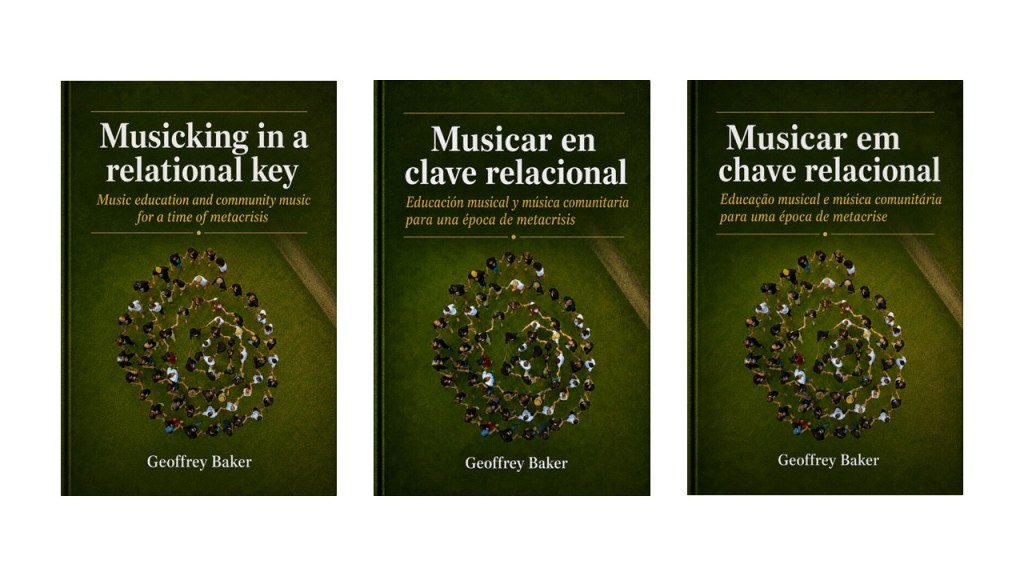
The logical conclusion for me was to go the whole way and simply publish the next book myself. This time I can not only give the book away but also release it in three languages simultaneously and retain full control over the process. Also, there is potential to move very fast if you want to. I have worked hard over the last week… but I went from finalizing the text to hitting the publish button in about 5 days. (I don’t recommend doing that, but I had various reasons I wanted to get it done fast.) And even then, I managed to correct a few minor errors during the production process. (Not the stray accent on the Spanish cover though… that was a computer glitch that I didn’t spot in time ☹)
It’s not infinitely malleable – at some point I had to close the edition and upload the final PDF version to Zenodo. I want the PDFs and online versions to align precisely, so I’m not going to tweak the online texts every time I spot a spelling error or have a new thought. But I can produce a second edition whenever I like, and depending on the feedback I get (see below!), I might do that as early as next year.
So, self-publishing online gives me maximum control over the text and its dissemination. It provides full accessibility and allows me to think of the text as something rather more fluid than a conventional book.
Another advantage is that there are more options for making the process somewhat dialogic. One thing I wanted to get away from was the idea of a book as some kind of isolated monolith. I want to be able to revise the text at a time of my choosing, and I want other people to participate in that revision. So there are discussion forums at the end of each language edition (one per language), and I warmly invite the readers (that means you!) to add comments, suggestions, critiques, questions, and so on. I’m sure I would learn from them; I might be able to respond to them; and they could potentially form part of the revision process and help to shape a second edition.
I’m sure that there are much more creative and technologically-advanced solutions than these discussion forums, but they’re a start. A lot of this kind of discussion seems to take place on social media these days, but I don’t really want that to be the central forum for everything.
My new book is all about relationality, which means giving a central role to listening, dialogue, and connection. I wanted to bring relationality into the publishing process and not just write about it. I argue in this book that taking relationality seriously implies shifts across all kinds of processes, institutions, and organizations, and that relationality starts at home. In this light, it was important for me to think about how I might publish research in ways that embody this notion, rather than merely describing it.
Perhaps it’s worth thinking about the notion of “relational publishing,” which would entail seeing publication less as a process of delivering a fixed object to readers and more as a continuous relational practice. Treating the text as a work in progress. Pursuing dialogue rather than just transmission. Seeing readers as potential participants and collaborators. Bringing the relationships that underpin knowledge creation more to the forefront. Encouraging a fluid exchange of ideas outside of commercial systems. Reducing barriers to participation as far as possible. My hope is that publishing this book on PubPub is a step in this direction.
(I’m well aware that other people have already taken bigger steps – I’m not making any claims about originality.)
I’d like to suggest that relational publishing isn’t just another label for open access. As the name suggests, the latter is largely about access. Relational publishing, though, is about participation. (There are parallels here with discussions about widening access versus participatory approaches in music education and community music, which form part of my work.)
So, if you feel moved to do so, please join in the conversation. Leave your comments and/or questions on a discussion forum, in whichever language you prefer. If you’re the first – just go for it! Or if you’d rather, you can email me at geoff@agrigentomusic.com and specify whether the comments are to be public or private. I don’t promise to respond immediately (for example, if I’m travelling), but I will read everything and reply when I can and where it seems appropriate. And everything will go into the mix that might produce a second edition or a next phase of this project or a collaborative spinoff.
This book was never intended to be the last word on anything, but rather to join in with some conversations and to kickstart some others. So please get involved.
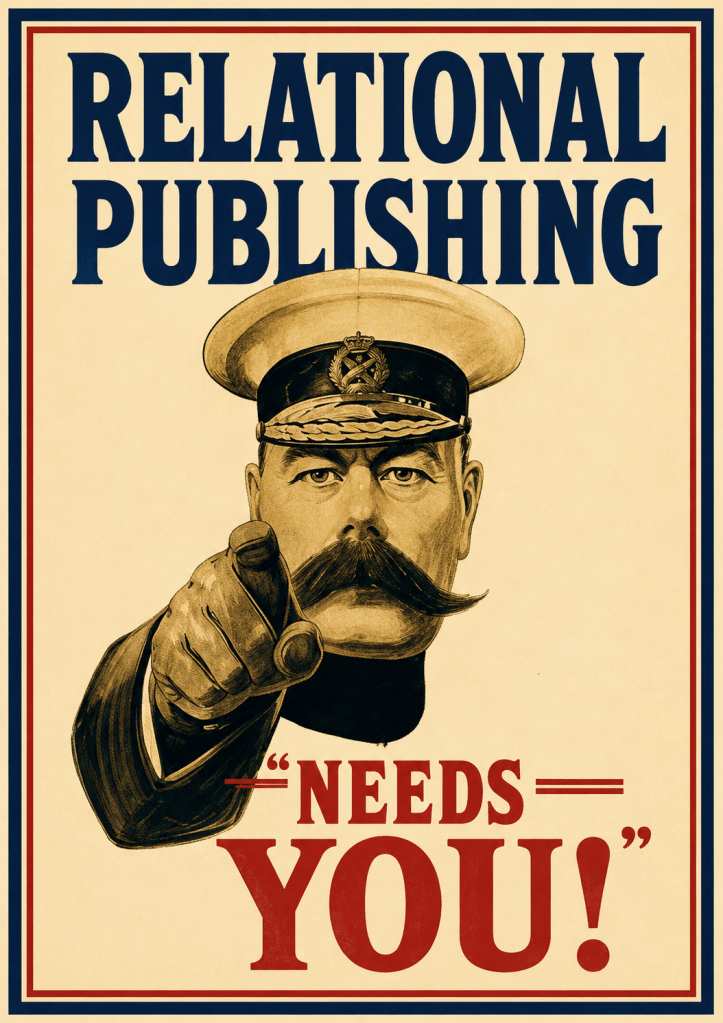
Relational publishing needs you!


oh! Relational publishing! this is my first encounter with that phrase and I’m a fan.
I’m also a MA student just completing my degree in the next few days, and one of my profs, Deanna Yerichuk, sent me a pub.pub link to your new book, which is essentially the book I’ve spent my year wishing for. I’ve been so curious about the absence of play as a lens/theory/component of community music theory, when it is the fundament of my own practice, and of the practice of so many whom I admire.
And lo and behold, here comes your book. Here comes your bibliography where I see Machado de Oliveira, and Ruha Benjamin, and Erwan Noblet, alongside the Higgins and Small and Bartleet. AND I AM CHUFFED! (so much so that I write to an academic using exclamation marks and all caps). Cannot wait to dive in, thank you for making this accessible, and thank you to Deanna for bringing it to my attention!
I
LikeLike